The British Virgin Islands by yacht
More than sixty islands, most along the sheltered Sir Francis Drake Channel, with reefs, beaches and beach bars close together. December to April or May is the season. It suits families and groups of friends most.
The BVI, the British half of the Virgin Islands, are more than sixty islands, most of them along the Sir Francis Drake Channel, a sheltered stretch of water with Tortola on one side and a chain of small islands on the other. Distances are an hour or two, and the US Virgin Islands are in sight to the west. The anchorages are many, and the marine parks are looked after by the National Parks Trust. The day's choice is usually between a reef, a beach and a bar.
Why go, and whom it suits
Families: sheltered water, short moves, snorkelling off the yacht, and The Baths on Virgin Gorda to clamber through.
Couples: Anegada's long, empty beaches, Cooper Island's quiet bay, and dinners ashore at small places.
Friends and celebrations: Jost Van Dyke's beach bars, the Bight at Norman Island, and wreck diving on the Rhone.
The honest limit: in the high season the famous anchorages are busy. Start early and move late, and they are not.
What's there

Tortola
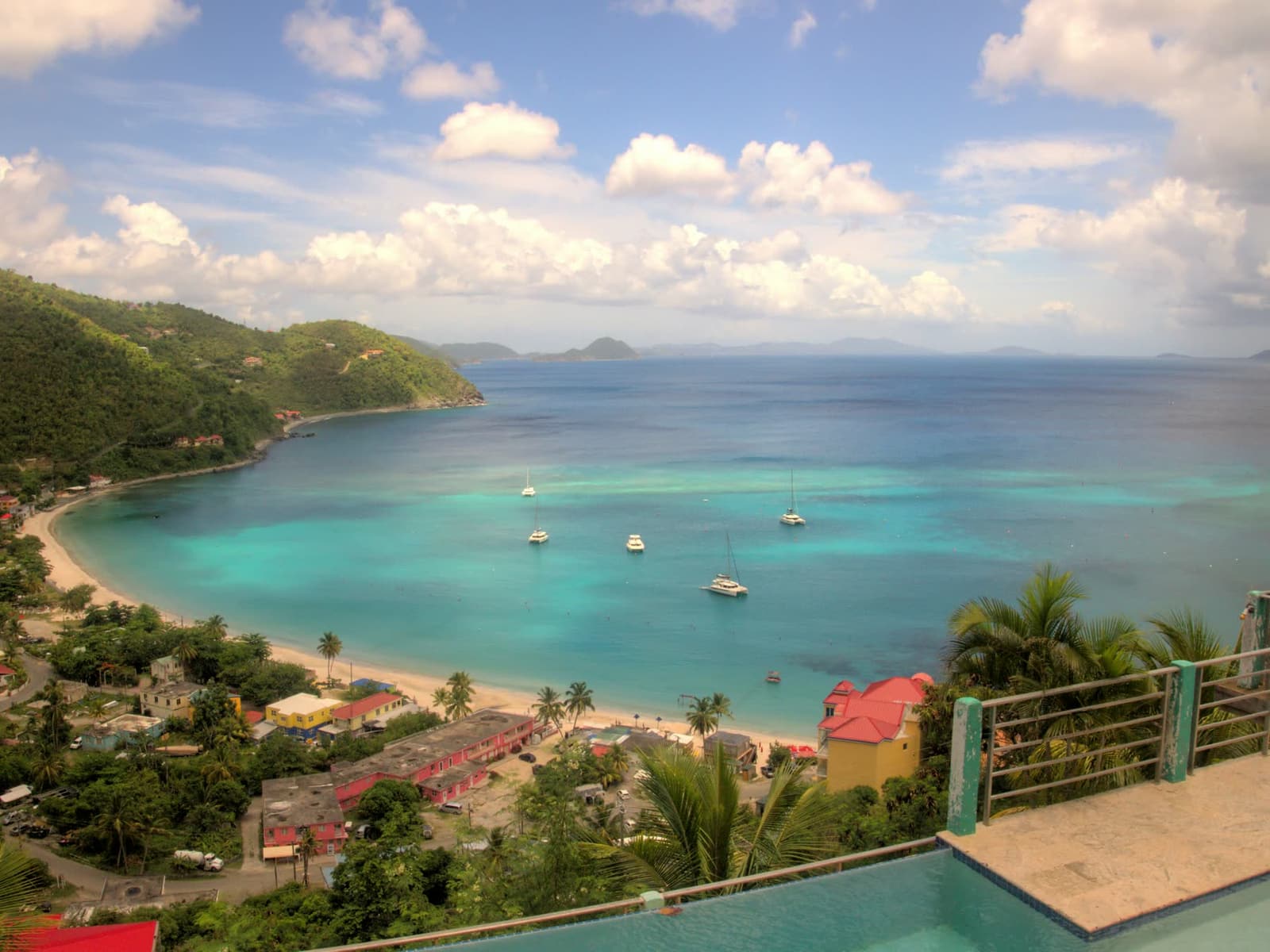
Road Town, with the main harbour and a customs and immigration office; Cane Garden Bay on the north shore; Trellis Bay by the Beef Island airport; Soper's Hole at West End.
Jost Van Dyke
White Bay, Great Harbour and Little Harbour. Sandy Spit and Green Cay nearby.
Norman Island
The Caves to snorkel, and the Bight to anchor in.
Peter, Salt and Cooper islands
quiet bays. Off Salt Island lies the wreck of the RMS Rhone, for diving and snorkelling.
Virgin Gorda
The Baths and Devil's Bay at the south end; North Sound, a large sheltered bay, at the north end.
Anegada
the only coral island in the chain, almost flat (its highest point is 28 feet above the sea), ringed by reefs, with long beaches. North of Virgin Gorda, and approached in daylight.
01 / 06
When to go
From about December to April or May. The trade winds are steady, stronger on some days than others. Christmas, New Year and Easter are the busiest weeks. The Atlantic hurricane season runs officially from 1 June to 30 November, with most of its activity between mid-August and mid-October.
What it costs
The weekly fee is each yacht's own, shown "from" on her page and in her own currency, usually US dollars here. There is no VAT in the BVI, but the BVI have their own charges for charter yachts and their guests, and each yacht's quote shows what applies to her. The marine parks need a National Parks Trust marine conservation permit. APA, the advance for fuel, food, drinks and moorings, is paid with the balance and accounted for at the end, with anything unspent returned; budget up to 40% of the charter fee for it, more for long or remote passages. Our guide sets out what a crewed charter costs, line by line.

The weekly rate on each yacht’s page. "From" is her lowest season.
An advance for fuel, food, drinks and berths, spent on your instructions and settled at the end.
Set by the country the charter starts in, added to the fee.
A sample week
A loop from Road Town. The yacht and the wind decide the real route.
Board in the afternoon. A short move across the channel and a swim before dinner.
The Caves in the morning, and a night in the Bight or a quieter bay.
The Rhone by dive or snorkel, then Cooper's quiet bay.
The Baths early in the morning, then up to North Sound.
Across to the reef island. Beaches, and a quiet evening at anchor.
A long downwind run west, Sandy Spit for lunch, and White Bay for the evening.
A swim on Tortola's north shore, then round to Road Town and disembark.
The yachts
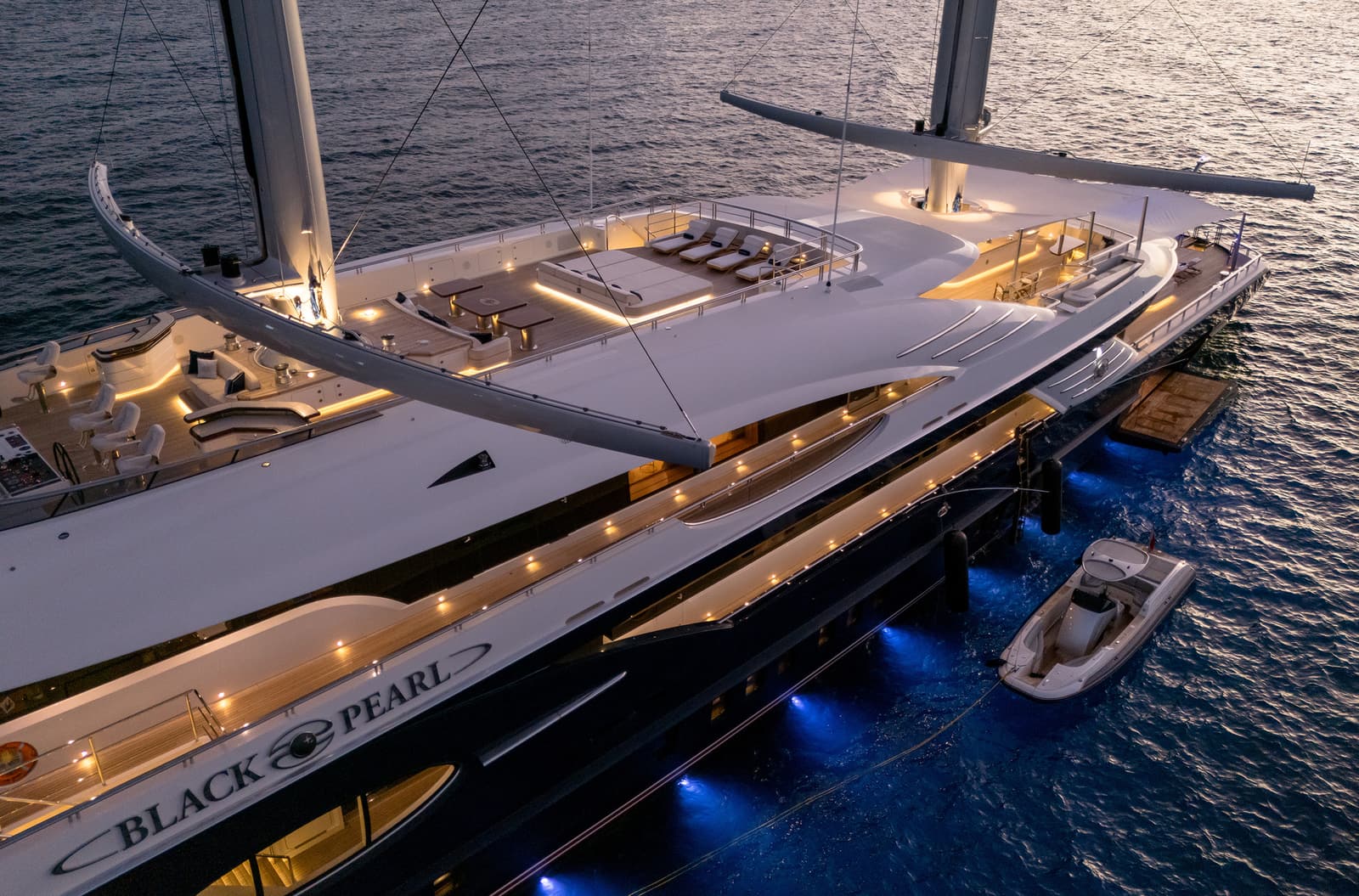
Most of the yachts we show in the BVI are motor yachts over 40 metres, with a few catamarans.
Many of them also cruise the USVI. Catamarans are common in these islands; if a catamaran is what you want, say so, and we look further. The yachts on this site are a selection, not the limit of what we arrange: ask about any yacht, of any size.
Practical questions


Rene GaspersicYour broker
How do we get to Tortola?
Fly to Beef Island, connecting through San Juan or St Thomas, or fly to St Thomas and take the ferry.
Do we need a passport?
Yes: everyone needs a passport to enter and leave the BVI, and some nationalities also need a visa. Each traveller also fills in an online immigration and customs form before arrival.
Can the yacht collect us in St Thomas?
Often yes, if she is allowed to clear between the territories. Some BVI-based yachts do it, and any delivery fee is stated before you sign.
What charges does the BVI add?
The BVI have their own charges for charter yachts and their guests, and the marine parks need a National Parks Trust permit. Each yacht's quote shows what applies to her.
Is the sea calm?
Inside the channel, mostly. The crossing to Anegada is open water.
Are the moorings free?
The marine parks need a marine conservation permit from the National Parks Trust, which the yacht arranges. Other moorings and anchorages vary.
Is it good for children?
Yes: short moves, easy snorkelling and The Baths.
Is it crowded?
At the famous stops in high season, yes. A crewed yacht can go early, late, or to the quieter bays.
Talk to a broker
Tell us roughly when, how many of you there are, and what the week is for: a family winter break, a honeymoon, a birthday with friends. Dates and budget can stay loose. We come back with a short list of yachts that fit, say plainly what each one is like, and stay your contact from the first email to the last day on board.
Rene Gaspersic
charter broker
Email info@soretoyachting.com · Phone +44 7342 933198 · WhatsApp +44 7342 933198

Plan
The British Virgin Islands.
Two short steps. Dates and budget can stay loose. We reply personally, by email, phone or WhatsApp.