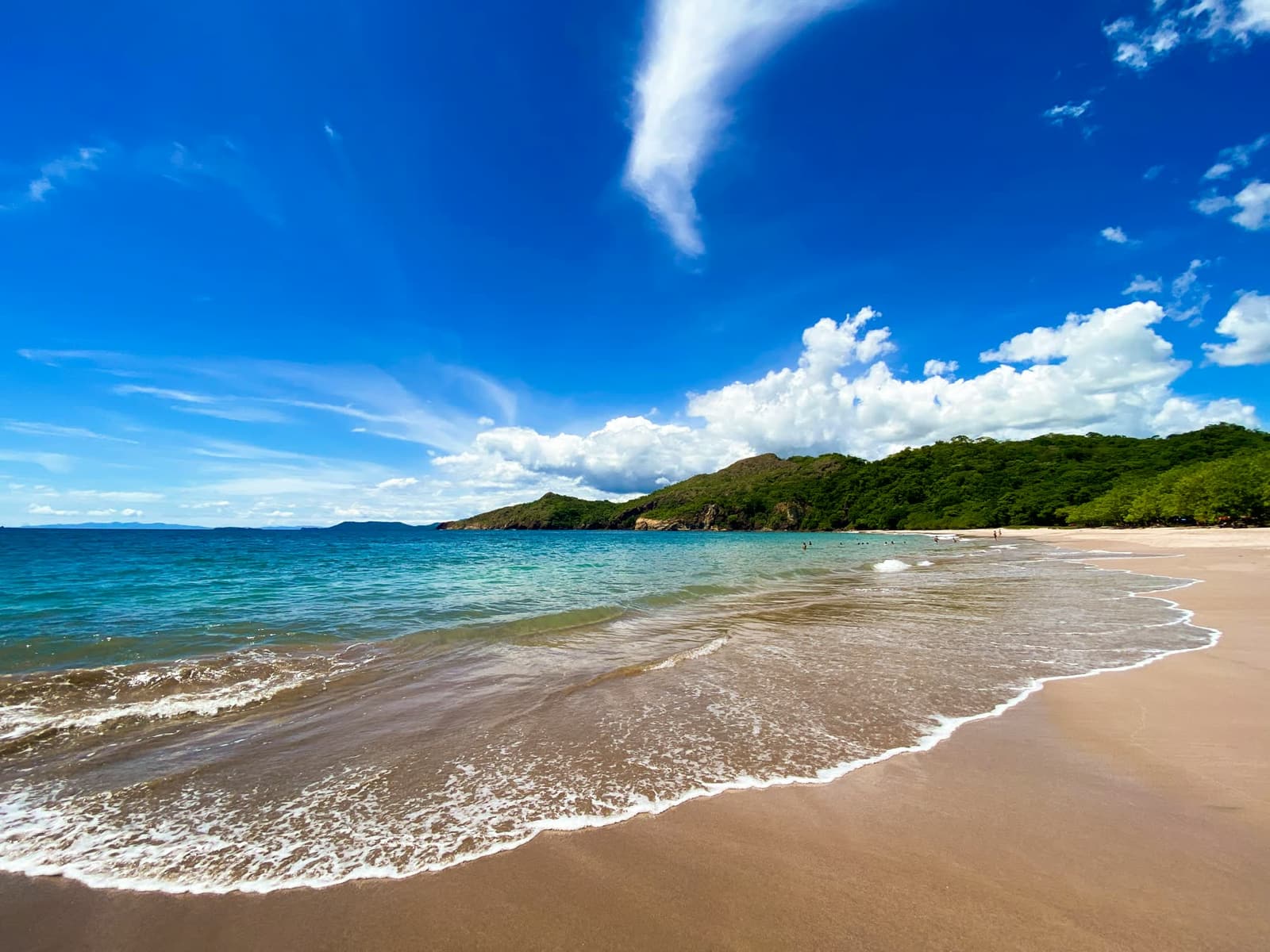

Costa Rica yacht charter
Costa Rica's Pacific coast is rainforest down to the sea, with turtles, whales, surf and national parks close by. The dry season, mid-December to late April, is the main season. It suits families who want adventure.
Costa Rica's Pacific coast is rainforest down to the sea. It has volcanoes inland, beaches with turtles nesting on them, and some of the richest wildlife in Central America within reach of the tender. A yacht here is a base for nature: whales and dolphins offshore, monkeys and macaws in the trees, and surf, rivers and national parks ashore.
Why go, and whom it suits
Families
Costa Rica suits families who want adventure: wildlife on every outing, rainforest walks, ziplines and surf lessons ashore. The sea is warm. The Pacific swell means some beaches are for watching rather than swimming, so let the captain choose.
Couples and honeymoons
Quiet bays in Guanacaste, and the remote Osa Peninsula with its rainforest lodges. It is good for a couple who want something different from the Caribbean.
Friends and celebrations
It suits a group that likes sport fishing, diving and surfing. Nightlife is limited outside a few beach towns.
Less suited to anyone who wants calm, glassy anchorages every night. This is an ocean coast with swell, and the captain chooses each night's anchorage for comfort.
The areas
Costa Rica is one of the wildlife coasts on our Central and South America page.
The Gulf of Papagayo and Guanacaste
In the north, with Marina Papagayo and the airport at Liberia close by. The Bat Islands (Islas Murciélago) lie off the Murciélago sector of the Santa Rosa National Park. There are beaches on the Santa Elena peninsula, and the Catalina Islands for diving.
The Nicoya Peninsula and its gulf
Tamarindo, Las Baulas National Marine Park (the world's largest nesting ground of the leatherback turtle), and the islands of the Gulf of Nicoya, such as Isla Tortuga.
The central coast
Manuel Antonio National Park, with monkeys and beaches in the forest.
The Osa Peninsula and Golfo Dulce
In the south: Drake Bay, Caño Island's reefs, and the Corcovado National Park, one of Central America's most remarkable ecosystems, with some 367 species of birds and 140 of mammals. Golfo Dulce is a deep, sheltered gulf.
Cocos Island
Far offshore, a UNESCO World Heritage Site since 1997 and a famous place for diving, reached by specialised expeditions rather than on a coastal week.
When to go
- The dry season runs from mid-December to late April, and it is the main season, especially in Guanacaste.
- The green (wet) season is from May to mid-December, with bursts of rain, fewer people and a greener coast. Autumn is its peak, when some places in the south close.
- Strong winds can blow in the north for days at a time, and the captain then picks the sheltered bays.
- Humpback whales come from both hemispheres: northern humpbacks from late December, and southern humpbacks from July to October, when Ballena National Marine Park on the southern Pacific coast is their favourite spot.
Months | Weather and sea | Crowds | Note |
|---|---|---|---|
Mid-December to late April | The dry season; strong winds can blow in the north for days | The main season, especially in Guanacaste | Northern humpbacks from late December |
May to June | The green season begins: bursts of rain, dry spells between | Fewer people, lower prices | The coast turns green |
July to October | The green season; autumn is its peak | Fewer people | Southern humpbacks at Ballena; some places in the south close in autumn |
November to mid-December | The green season, ending | Fewer people |
What it costs
The charter fee is each yacht's own weekly rate. Her page shows it "from", which is her lowest season. Each yacht's rate is in its own currency, often US dollars outside Europe.
- Costa Rican IVA (VAT) is added to the fee where it applies, and the quote shows it.
- APA, the Advance Provisioning Allowance, is paid with the balance. The captain holds it for fuel, food, drinks, berths and similar costs, spends it on your instructions, and accounts for it at the end; anything unspent is returned. Budget up to 40% of the charter fee; long or remote passages can need more.
- National park entries and guides are extra, and the quote says how they are paid.
- A one-way week, for example north to south, can add a delivery fee for the yacht's return.
Our guide sets out what a crewed charter costs, line by line.

The weekly rate on each yacht’s page. "From" is her lowest season.
An advance for fuel, food, drinks and berths, spent on your instructions and settled at the end.
Set by the country the charter starts in, added to the fee.
Round trip from the Gulf of Papagayo
This round trip from Marina Papagayo keeps the passages short and mixes the sea with days ashore. The swell, the wind and the season decide the real route.
- Day 1: Marina Papagayo. Board in the afternoon, then a short passage to an anchorage in the gulf.
- Day 2: The Bat Islands. Diving or snorkelling in the morning, as the crew arranges it, and a night off the Santa Elena peninsula.
- Day 3: Playa Blanca and the north. A beach day, and a rainforest walk with a guide.
- Day 4: The Catalina Islands and Playa Flamingo. Snorkelling, and dinner ashore.
- Day 5: Tamarindo. A surf lesson for those who want one. In the nesting season, a night visit to the turtles at Las Baulas, as the park allows.
- Day 6: Bahía Culebra. A quiet bay, and a zipline or a volcano trip inland.
- Day 7: Back to Papagayo. Disembarkation.
The Osa Peninsula and Golfo Dulce are a second week of their own, further south.
The yachts that cruise here
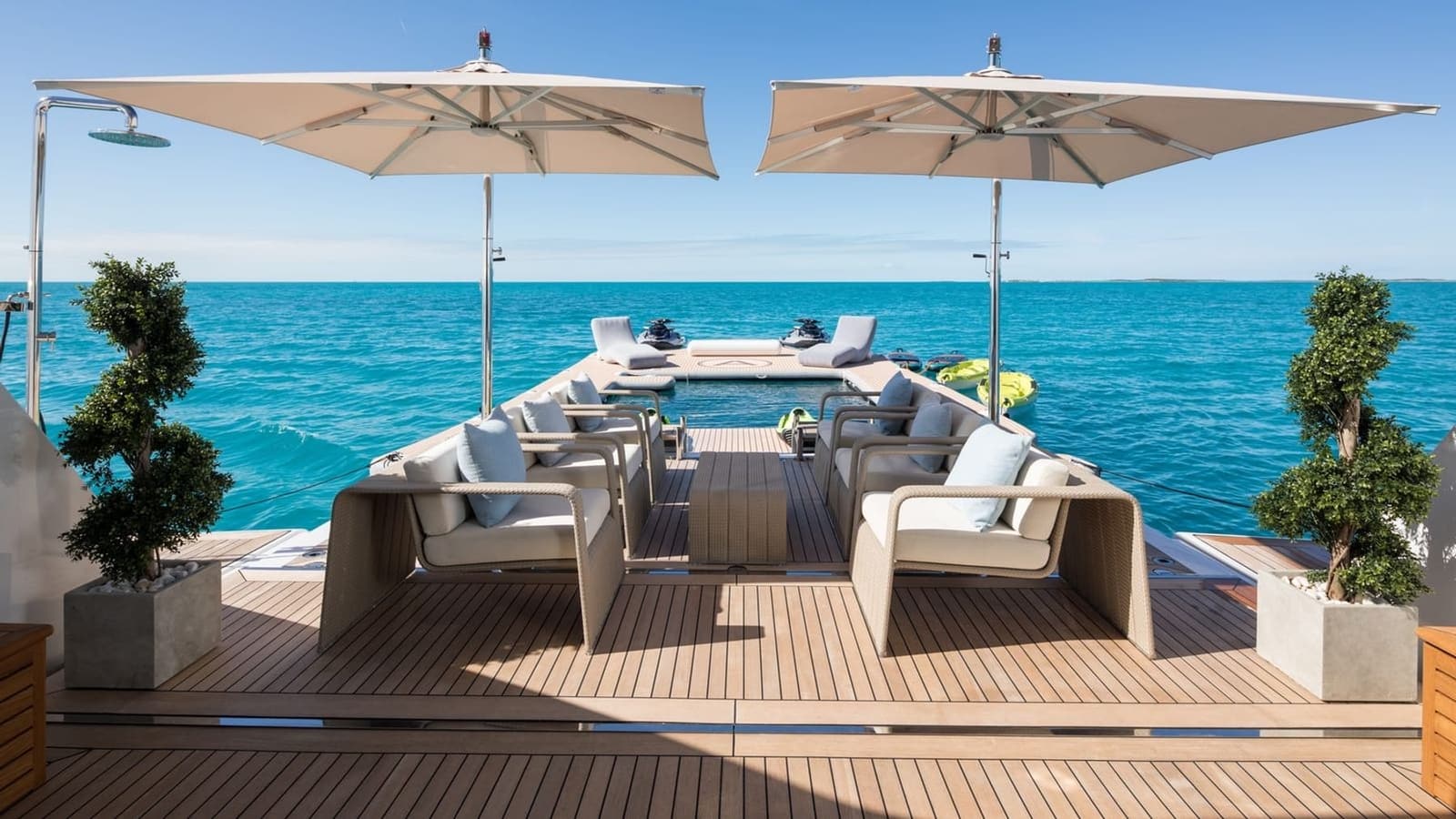
Most of the yachts we show in Costa Rica are motor yachts over 40 metres, for 11 or more guests. Costa Rica is served by yachts based there and by others that come for the dry season. We arrange crewed yachts here and look across the market for every enquiry rather than proposing only what is listed here. The yachts on this site are a selection, not the limit of what we arrange: ask about any yacht, of any size.
Practical questions


Rene GaspersicYour broker
Which airport do we fly to?
Liberia (Guanacaste) for the north. San José for the central coast and the south.
Is the sea rough?
The Pacific swell reaches most of the coast. Inside the gulfs and in sheltered bays it is calmer, and the captain picks the anchorages for comfort.
When is the best time?
For dry weather, from December to April. For whales and a greener coast, the shoulder months. Tell us what matters most.
Can we see turtles nesting?
Yes, in season. Las Baulas, near Tamarindo, is the world's largest nesting ground of the leatherback turtle, and olive ridleys nest at Naranjo and Nancite in the Santa Rosa National Park. Visits follow each park's rules.
Is it good for sport fishing?
Yes. Tell us which fish you are after, and we say which months and which rules apply.
What about the rain in the green season?
It comes in bursts, with dry spells between, and the coast is at its greenest. Prices and crowds are lower.
Do we need a visa?
That depends on your passport. Check your government's travel advice before you book.
Can we combine Costa Rica with Panama?
Yes. Panama's Pacific islands, Coiba and the Pearl Islands, are to the south-east, and a longer or one-way charter can link them, with the formalities of leaving one country and entering the other.
If you are also weighing Mexico
Both are Pacific coasts with wildlife. Costa Rica is green, wet and full of life ashore. The Sea of Cortez is desert and calmer inside the gulf, with the best marine life close up. See Mexico.
Talk to a broker
Tell us roughly when, how many of you there are, and what the week is for: a family adventure, a honeymoon, a birthday with friends. Dates and budget can stay loose. We come back with a short list of yachts that fit, say plainly what each one is like, and stay your contact from the first email to the last day on board.
Rene Gaspersic
charter broker
Email info@soretoyachting.com · Phone +44 7342 933198 · WhatsApp +44 7342 933198
Plan
Costa Rica.
Two short steps. Dates and budget can stay loose. We reply personally, by email, phone or WhatsApp.