
Croatia yacht charter
An easy first charter, and a good tenth one
Croatia suits families and first charters best: short hops between close islands, mostly calm summer water and a stone harbour town every evening. June and September are the best months.
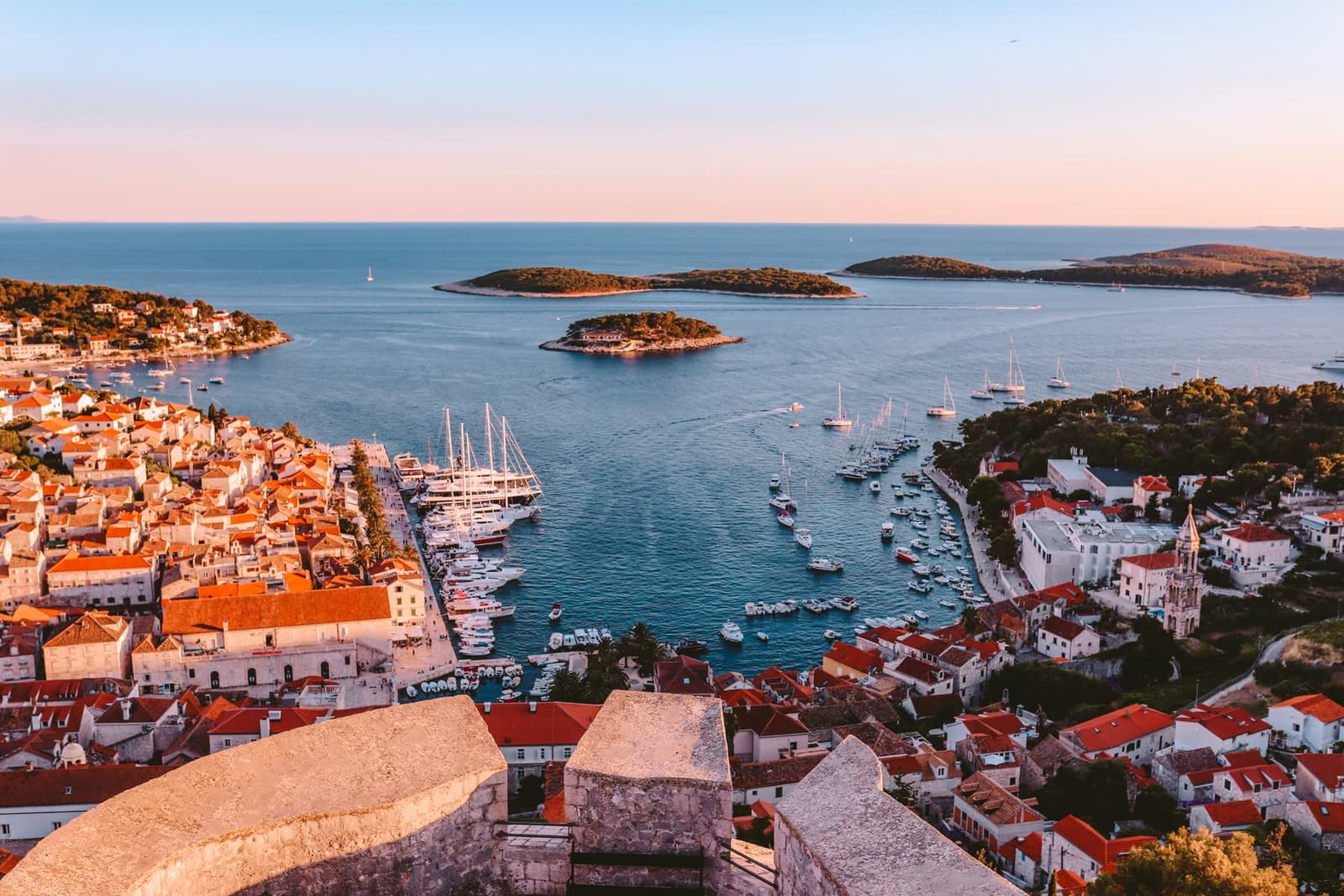
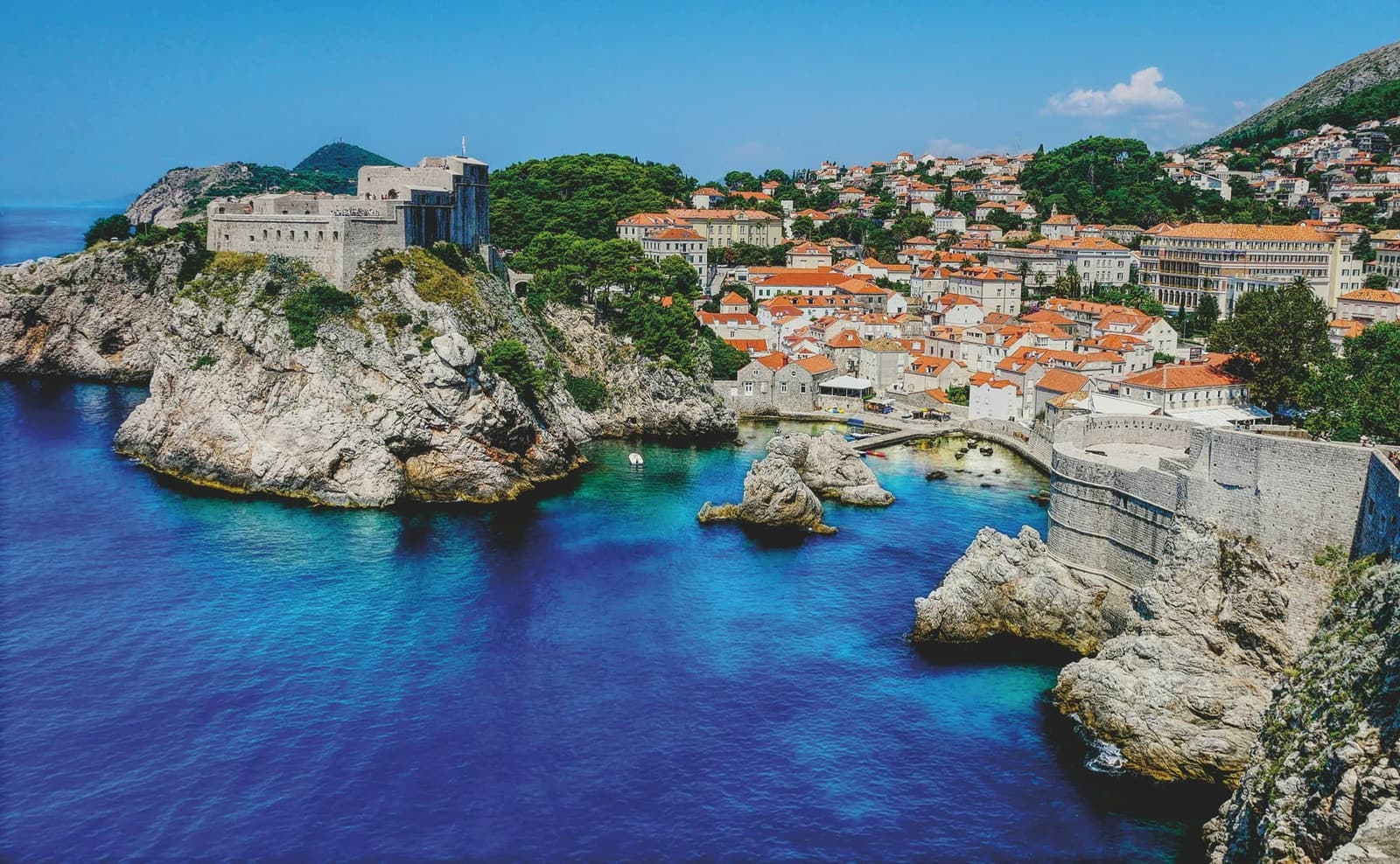
Croatia's short coast is lined with islands. That changes how a week feels. You sail for an hour or two, swim, and eat ashore in a stone harbour town, and the next island is always close. In summer the Adriatic is mostly calm, which makes Croatia one of the easiest places in the Mediterranean for a first charter.

Why go, and whom it suits
Families
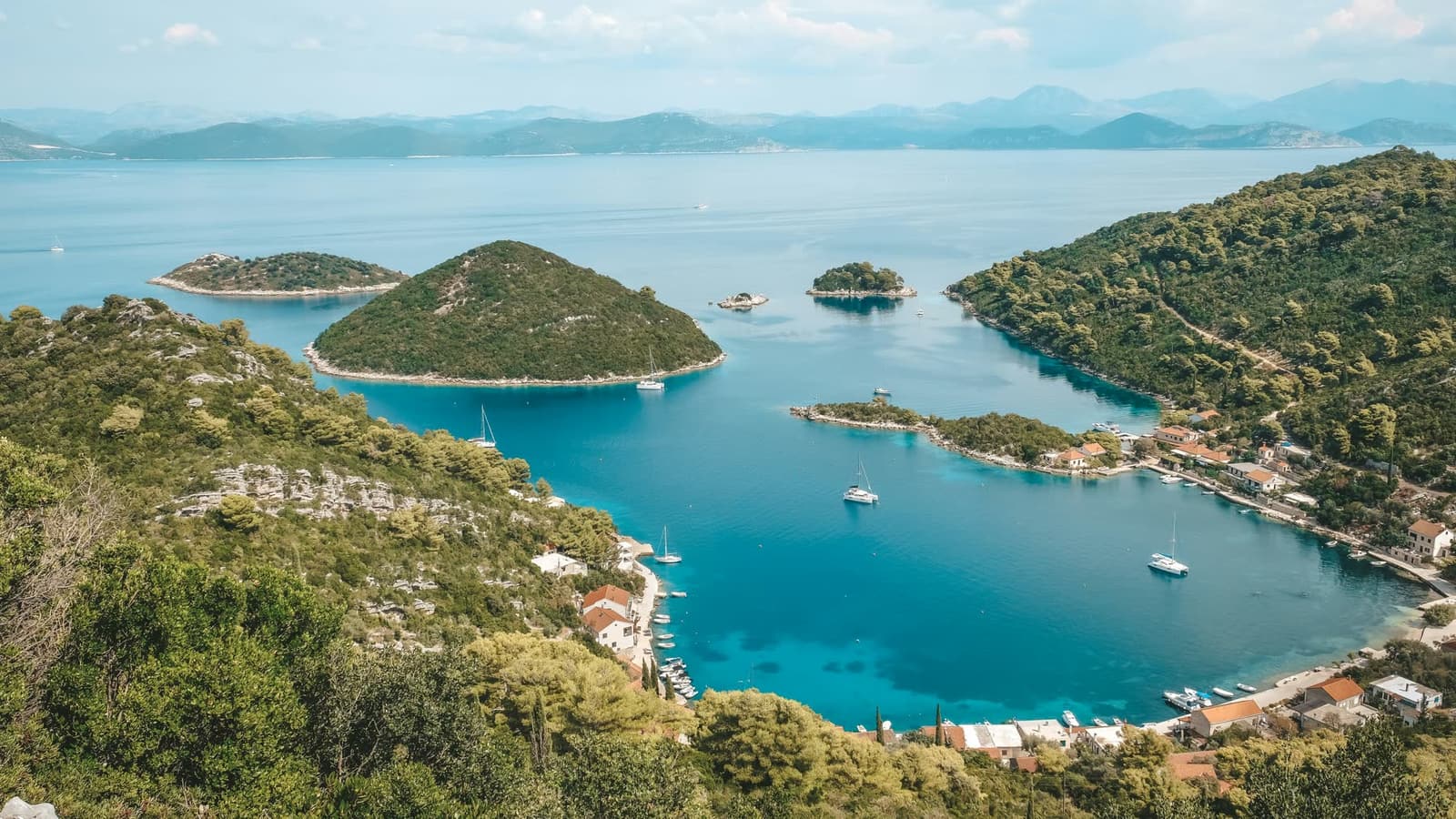
Croatia suits families very well. The passages are short, so nobody spends a day at sea. There are sheltered bays to swim in, old towns to walk in the evening, and simple food children will eat. The sea warms through the summer.
Couples and honeymoons
Couples do best in June or September, when the harbours are quieter. Vis, Šipan and the Kornati have dinners ashore that feel far from anywhere, though none of them is far.
Friends and celebrations
Hvar is the lively one. It has beach clubs in the Pakleni islands and a harbour town that stays up late. Pair it with quieter islands so the week is not all noise.
Less suited to anyone who wants long, empty beaches of sand. Most of the coast is rock and pebble. The sandy bays, such as Lopud's Šunj and Sakarun on Dugi Otok, are the exceptions people sail to.
Four coasts
Each with its own pace: lively, quiet, wild or a fjord-like bay to the south.

Central Dalmatia
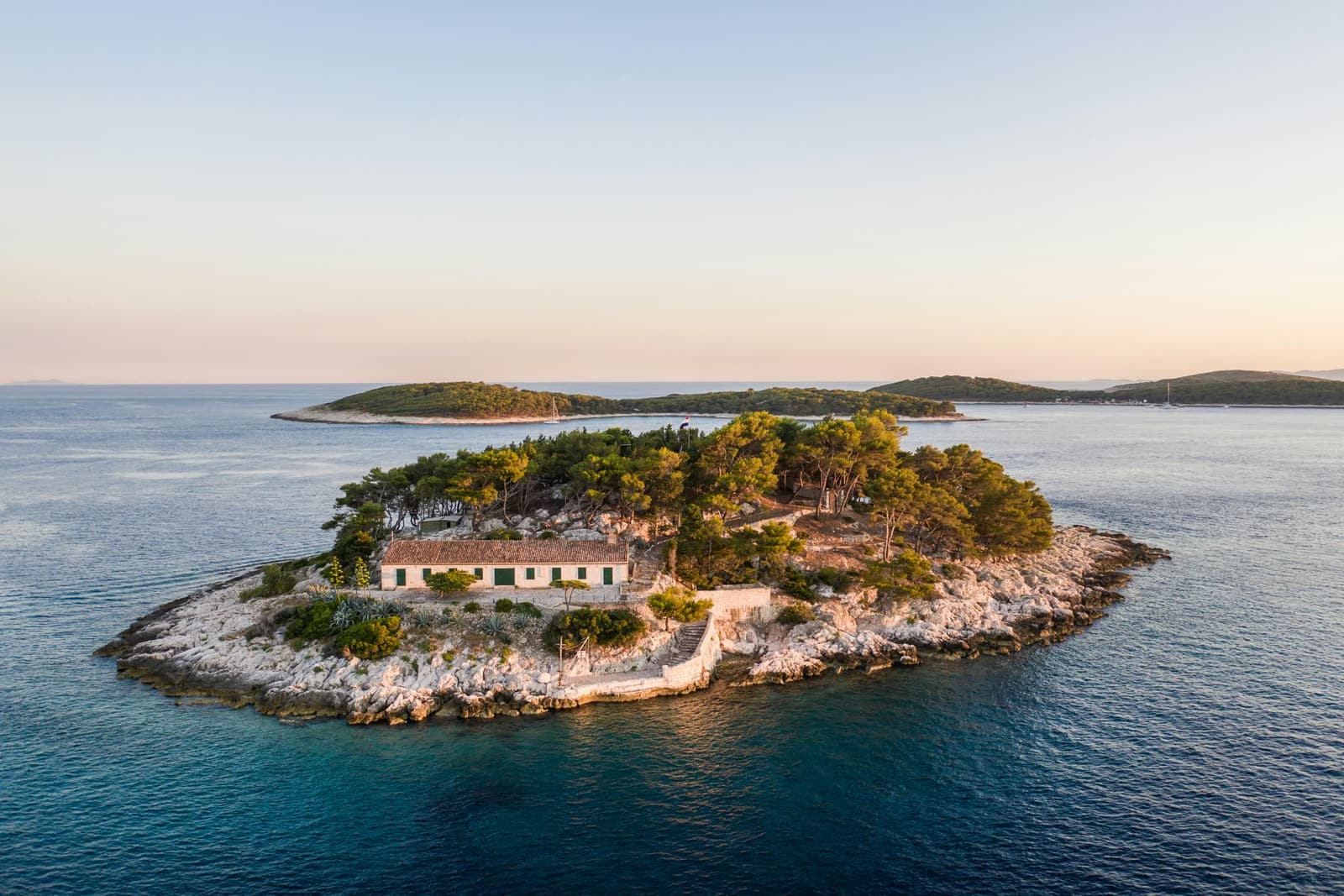
Split, Trogir, Hvar and the Pakleni islands, Brač, Vis and Šolta: the busiest and liveliest stretch, and the easiest to reach. Split airport is close to the marinas.

Dubrovnik and the south
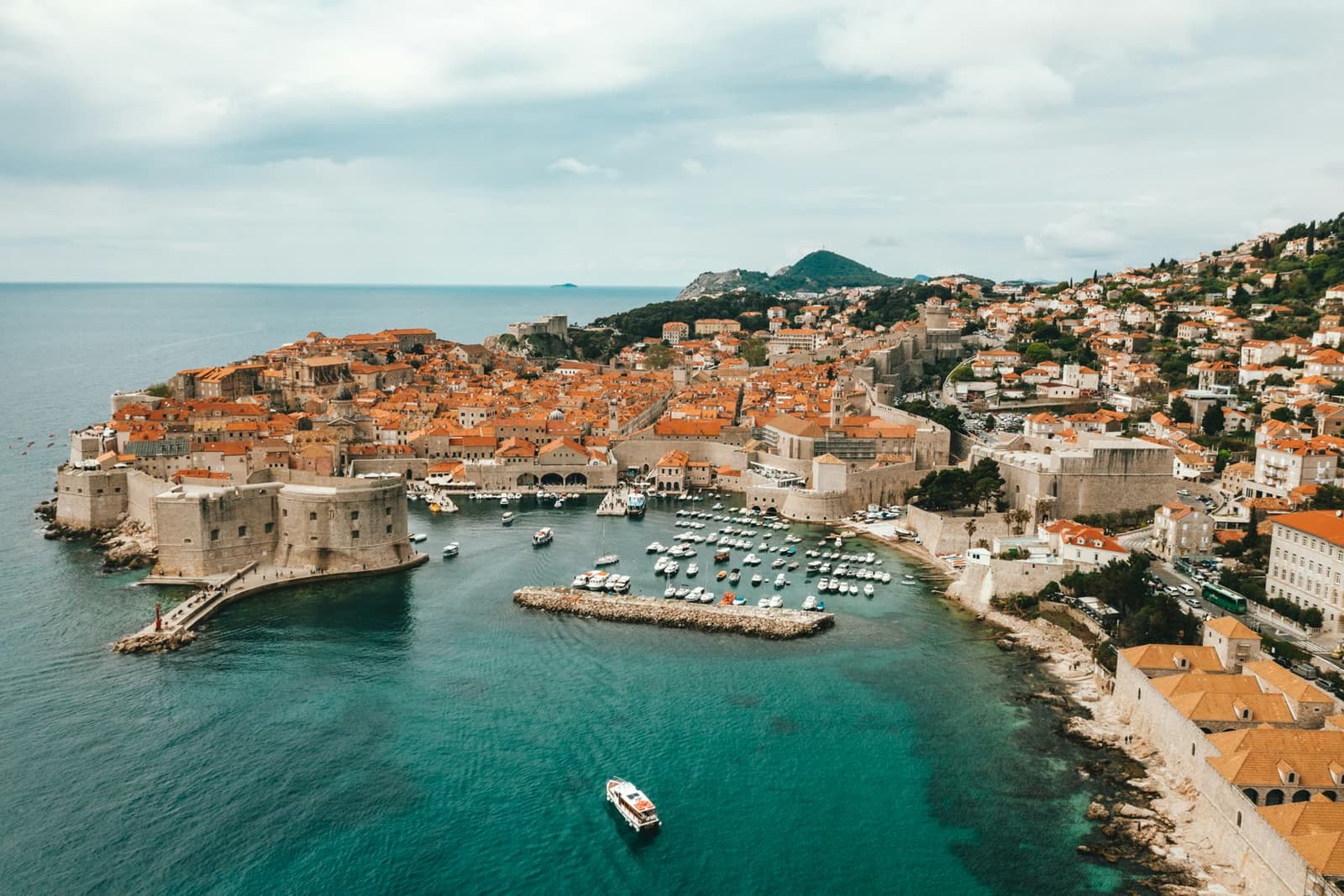
The Elaphite islands, the national park on Mljet, Korčula's walled town and the vineyards and oysters of Pelješac. It is slower and greener than the centre, and an hour by sea from Montenegro.
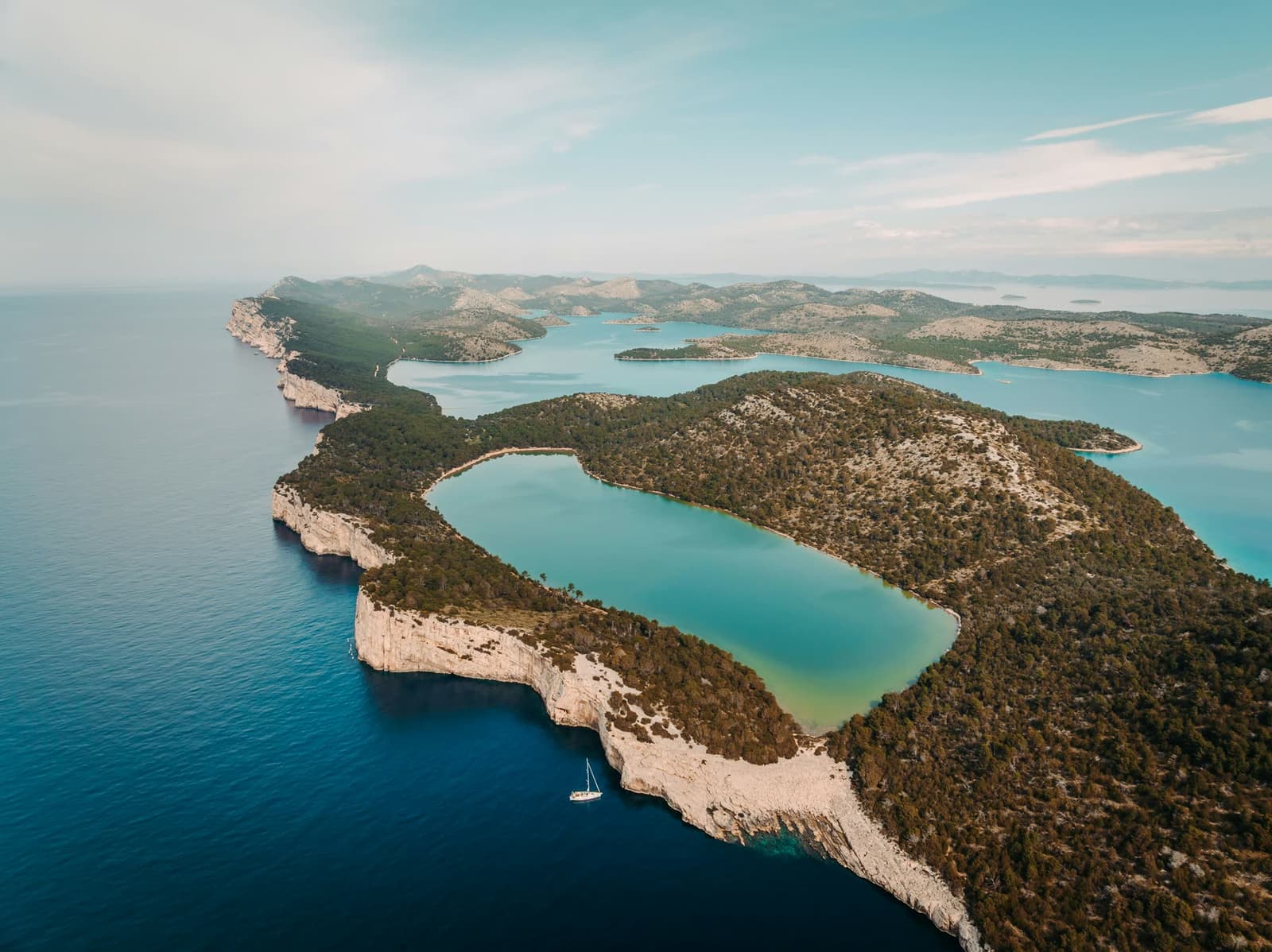

Šibenik and the Kornati
Bare limestone islands, a national park at sea, the Krka river up to Skradin, and Zadar. It suits people who want quiet water rather than towns.
Istria
(from Pula and Rovinj, page to follow). Croatia's northern peninsula has Venetian towns, truffles and wine, and the Brijuni islands. It is close to Slovenia's coast and to Venice.
Kvarner
(page to follow). Opatija, Krk, Cres, Lošinj and Rab: green islands, fewer yachts, and a gateway from the north.
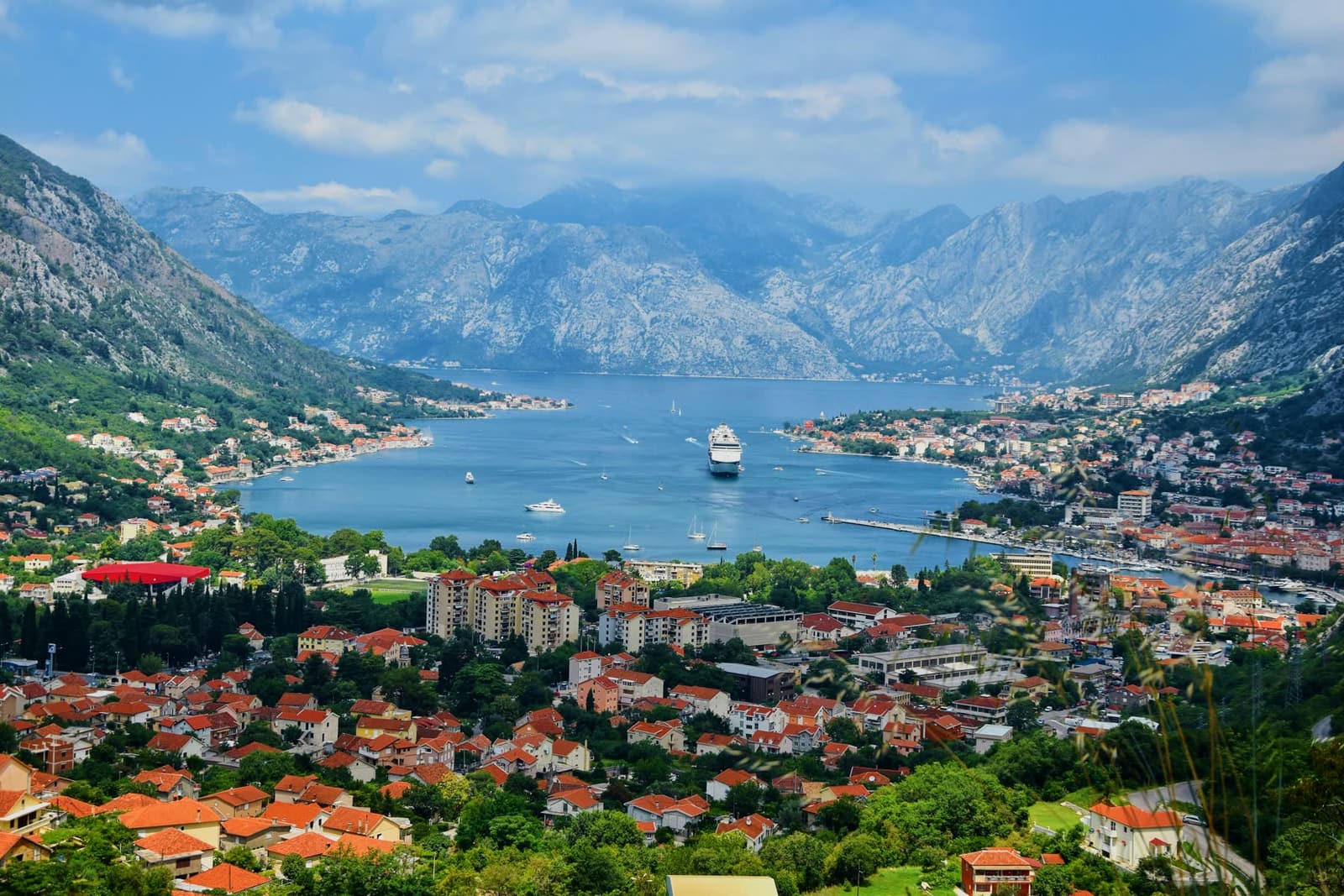

Montenegro
A neighbouring country with its own page. The Bay of Kotor is an hour or two south of Dubrovnik by sea, and a common end to a one-way week.
When to go
July and August are the warmest and the busiest, when harbours fill early in the afternoon and prices are at their highest.
The sea is warm, the evenings are long and the towns are calmer. Late May and early October are quieter still, with a cooler sea and fewer people.
The summer wind is usually the maestral, a north-westerly breeze that rises in the afternoon and drops at dusk. It is pleasant and predictable. The bura (bora), a gusty north-easterly, is mainly a winter wind but can blow for a day or two in summer. The jugo, a warm south-easterly, brings swell. The captain plans each day around them; on a short-hop coast like this, a windy day rarely costs you more than a change of anchorage.
What a week costs here
The charter fee is each yacht's own weekly rate. Her page shows it "from", which is her lowest season; July and August cost more.
- VAT of 13% is added to the fee of a crewed charter in Croatia.
- A tourist tax is paid per guest per night, collected by the yacht's operator and shown in your quote.
- APA, the Advance Provisioning Allowance, is paid with the balance. It is money held by the captain for fuel, food, drinks, berths and similar costs, spent on your instructions and accounted for at the end; anything unspent is returned. Budget up to 40% of the charter fee for it.
- National park entry fees (Kornati, Mljet, Krka) and town-harbour berths are paid from the APA.
- A one-way week, for example Split to Dubrovnik or on to Montenegro, can add a delivery fee for the yacht's return.
For what a crewed charter costs, line by line, see our guide.

The weekly rate on each yacht’s page. "From" is her lowest season.
An advance for fuel, food, drinks and berths, spent on your instructions and settled at the end.
Set by the country the charter starts in, added to the fee.
Split to Dubrovnik
One route of many: the yacht, the weather and your pace decide the real one.
This is a one-way week from Split to Dubrovnik, with short passages and a different kind of stop every day. It also works the other way round, or as a round trip from either city. The yacht, the weather and what you like on the day decide the real route.
Board in the afternoon. Diocletian's Palace is a ten-minute walk from the harbour for a first evening ashore; dinner can be on board or in the old town.
A morning swim off the Pakleni islands, lunch at a konoba on Sveti Klement, then Hvar town for the evening: the square, the fortress at sunset, and late nights for those who want them.
Vis is the quietest of the big islands. It is still less built up than the others. Swim at Stiniva cove by tender, and eat in Komiža or Vis town. The Blue Cave on Biševo is a short hop away; the captain will know how visits work that summer.
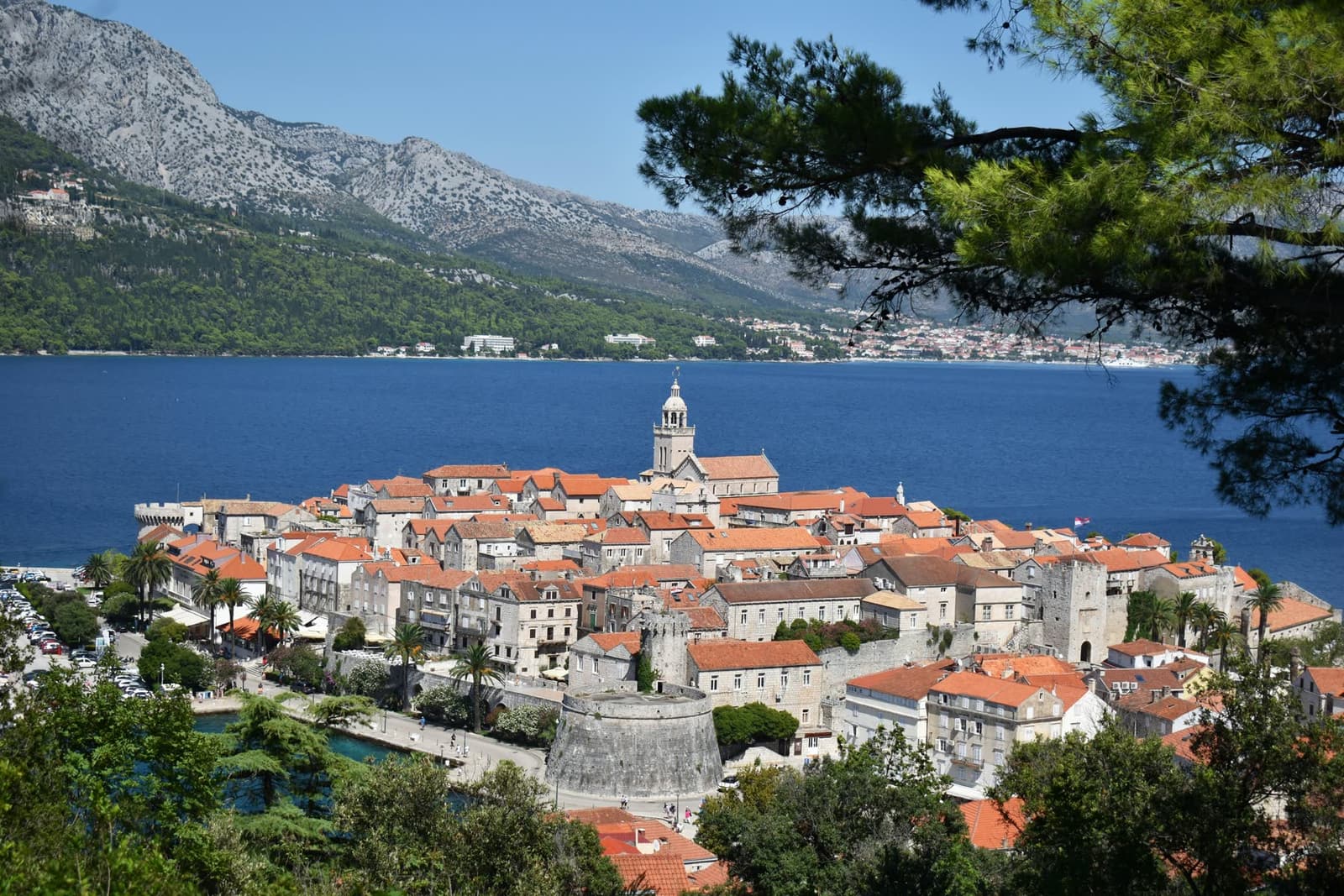

A longer passage east. Korčula's old town is a walled peninsula of narrow streets. Wine from Lumbarda (Grk) is the local white.
Anchor at Polače or Pomena for the national park's two salt lakes. Cycle or walk round them, and take the boat to the twelfth-century Benedictine monastery on the island in the Great Lake. Visitors pay per person for the lakes, and the boat to the monastery is included; a yacht pays for her own ticket as well.
These are two of the Elaphite islands. Lopud has no cars and a sandy bay, Šunj, which children love. Šipan is good for a long lunch.
Walk the city walls early, before the cruise-ship crowds, then disembark.
The yachts that cruise here
Most of the yachts we show in Croatia are motor yachts, and many of them are over 40 metres, for 11 or more guests. A few are sailing yachts and catamarans.
Most of them cruise elsewhere in the Mediterranean too, which is why one-way weeks and two-country weeks are easy to arrange here. Many also cruise Montenegro, and some Greece and Italy.
The yachts on this site are a selection, not the limit of what we arrange: ask about any yacht, of any size.
Chartering in Croatia


Rene GaspersicYour broker
Where do charters in Croatia usually start?
Most start in Split, Trogir or Dubrovnik. Šibenik, Zadar and Pula are also used. The yacht, your flights and the route decide.
Can we start in Croatia and end in Montenegro?
Often, yes. A week from Split or Dubrovnik ending in the Bay of Kotor is a common route. Leaving Croatia and entering Montenegro means clearing customs and passport control on the way, and the yacht's return can add a delivery fee.
Is the sea rough?
Rarely in summer. Afternoon breezes are normal, and the captain plans the day so that you are at anchor or in harbour when they rise. With islands this close together there is almost always a sheltered bay.
Is Croatia good for children?
Yes. The passages are short, the bays are calm, the towns are safe to walk in the evening, and many yachts carry toys for the water. Tell us the children's ages; it changes which yacht we propose.
Do we need a visa, and which currency is used?
Croatia joined the Schengen area and the euro on 1 Jan 2023. Croatia applies the Schengen area's common visa rules, so whether you need a visa depends on your passport.
How far ahead should we enquire for July and August?
For the peak weeks, many families start planning in the autumn or winter before. Tell us the dates you have in mind, even loosely, and we confirm with the yachts that fit.
Can we combine Croatia with Italy?
Some yachts cruise both. But crossing the Adriatic is a long passage. Most people who want both do two weeks, or pair Croatia with Montenegro instead.
What does a day on board look like?
Usually a morning swim at anchor, a short passage, lunch on board or ashore, an afternoon in a bay, and the evening in a harbour town or at anchor. The captain suggests, and you decide.
Can the yacht moor in the old towns?
Often, depending on the yacht's size and the space in the harbour. The berth fees come out of the APA. In the busiest weeks your captain will often suggest anchoring off and taking the tender in.
Are the national parks worth the fees?
Mljet and the Kornati are among the best days of a Croatian week, and Krka is worth it if you go early. Each park has its own tickets: in the Kornati a ticket per boat, priced by her length; on Mljet a ticket per person for the lakes, plus one for the yacht.
Croatia or Greece?
For a first charter, a family with young children, or anyone who wants calm water above all, Croatia is the easier choice. See Greece for the other side.


Croatia | Greece | |
|---|---|---|
Distances | Short hops between close islands | Longer crossings between island groups |
Wind in July and August | Light afternoon breezes, mostly | The meltemi in the Aegean, often strong |
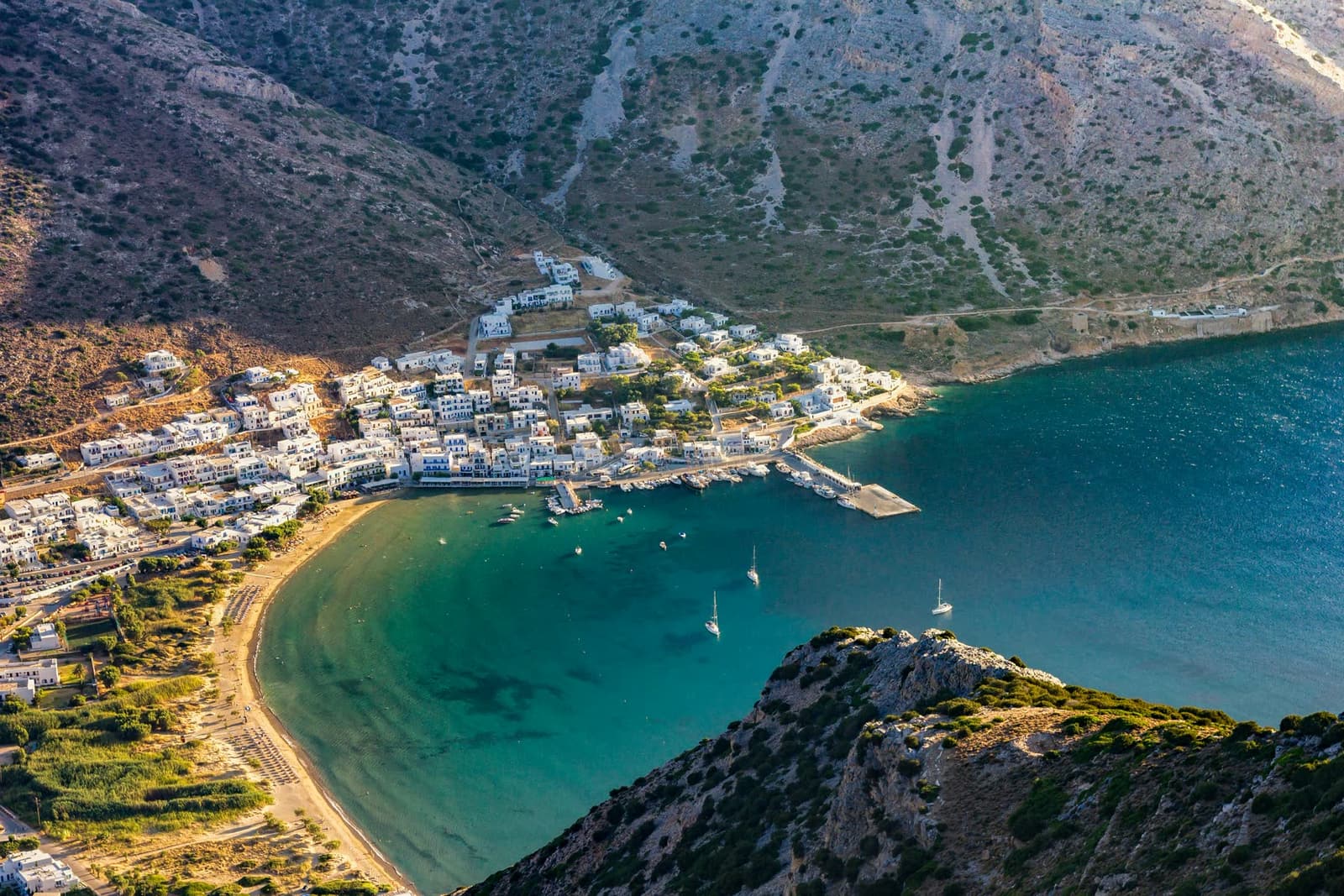
Ashore | Venetian stone towns, konobas | Whitewashed villages, tavernas |
Choice of yachts | Wide, mostly larger motor yachts | Widest, including most catamarans |
Talk to a broker
Tell us roughly when, how many of you there are, and what the week is for: a family summer, a honeymoon, a birthday with friends. Dates and budget can stay loose. We come back with a short list of yachts that fit, say plainly what each one is like, and stay your contact from the first email to the last day on board.
Rene Gaspersic
charter broker
Email info@soretoyachting.com · Phone +44 7342 933198 · WhatsApp +44 7342 933198

Plan
Croatia.
Two short steps. Dates and budget can stay loose. We reply personally, by email, phone or WhatsApp.